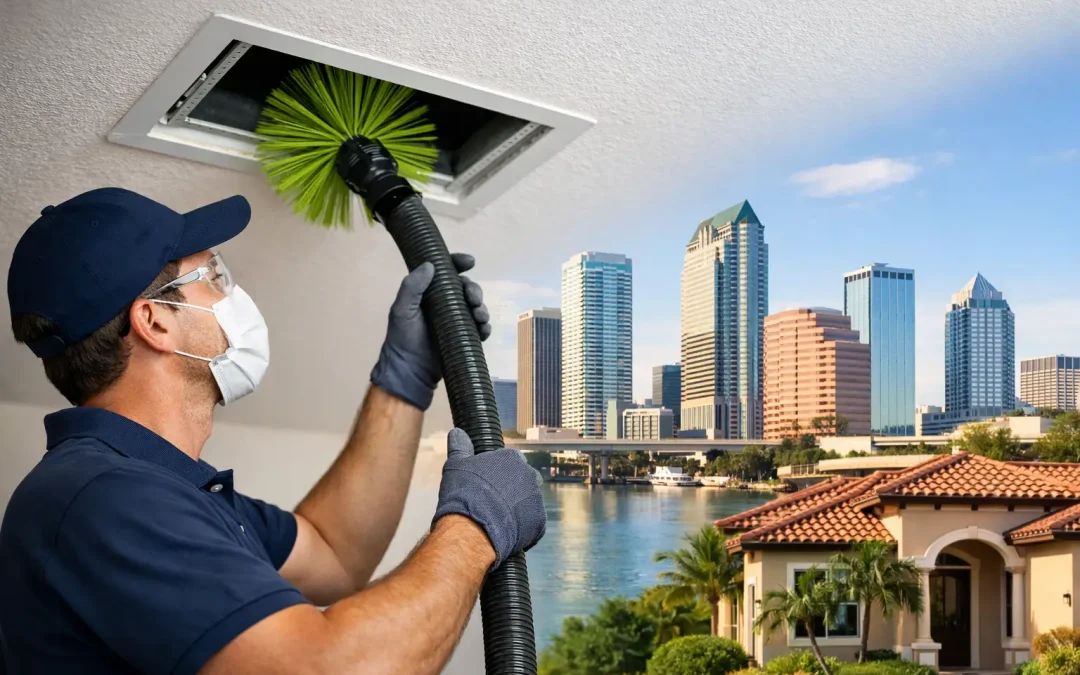
A Florida air conditioner works hard for much of the year. As it pulls air through return vents and sends conditioned air back through the home or facility, it can also move ordinary household dust, pet hair, pollen, and debris that has settled inside accessible ductwork. Duct cleaning is not a substitute for changing filters or repairing HVAC equipment, but it can be a practical part of maintaining a cleaner, more comfortable property when conditions call for it.
For homeowners, rental owners, and facility managers in Tampa Bay, the right question is not whether every duct system needs cleaning on a fixed schedule. The better question is whether there are clear signs of buildup, contamination, restricted airflow, or recent events that justify a professional inspection and service.
When Duct Cleaning Makes Sense
Ductwork is largely out of sight, which can make it easy to overlook until a problem becomes noticeable. Dust on furniture alone does not automatically mean ducts are the source. Homes with pets, construction activity, open windows, older systems, or frequent HVAC use may simply collect more dust than others. Still, certain situations are good reasons to have the system evaluated.
Visible debris blowing from supply vents, persistent musty or stale odors when the system runs, and excessive dust returning shortly after routine cleaning can point to a need for attention. So can evidence of pests, water intrusion near ductwork, or heavy buildup around registers and return grilles.
A recent renovation is another common trigger. Drywall dust, sawdust, and other fine construction particles can travel farther than expected, especially if the HVAC system operated during the project. After a water event, ducts should also be assessed carefully. Moisture inside a system can create conditions that require more than a standard cleaning, including source correction and targeted remediation.
Commercial properties face similar concerns on a larger scale. Offices, retail spaces, rental turnovers, and shared facilities can accumulate debris faster because of higher occupancy and longer operating hours. A clean, well-maintained HVAC system supports a more presentable environment for employees, tenants, and customers.
What Professional Duct Cleaning Includes
A thorough service begins with an honest assessment of the system and the reason for the call. A qualified technician should examine accessible supply and return components, registers, grilles, and related areas before recommending the scope of work. This helps distinguish duct contamination from issues such as a failing filter, a dirty evaporator coil, a disconnected duct, or an HVAC mechanical problem.
Professional-grade equipment is used to remove loose dust and debris from the duct system rather than simply pushing it farther into the home. The process commonly involves controlled negative air, agitation tools suited to the duct material, and careful collection of debris. Registers and return grilles may also be cleaned as part of the service.
The exact process depends on the property. Flexible duct, sheet metal ductwork, older systems, and commercial configurations all require appropriate handling. Aggressive or improper tools can damage fragile duct materials, disturb insulation, or create air leaks. That is one reason a trained, insured provider matters.
At Superior Tile & Carpet Care, the approach is centered on practical results: addressing the buildup that is present, treating your property with care, and communicating clearly about what the system needs. For properties with concerns beyond routine debris, such as suspected moisture damage or odor sources, the next step may involve identifying and correcting the underlying issue before cleaning can deliver lasting results.
Dryer Vents Need Their Own Attention
Air ducts and dryer vents are often discussed together, but they serve different purposes and should not be treated as the same service. Dryer vent cleaning removes lint accumulation from the path between the dryer and the exterior outlet. Because lint is combustible and can also reduce dryer efficiency, this service is especially important when clothes take longer to dry, the dryer feels unusually hot, or lint is visible around the exterior vent hood.
A clean dryer vent can help restore proper exhaust flow and reduce unnecessary strain on the appliance. For rental properties and commercial laundry areas, routine dryer vent maintenance is a sensible safety and operations priority.
Benefits You Can Expect – and What You Should Not Expect
When duct cleaning is appropriate and performed correctly, customers often notice less visible debris at vents, fresher indoor air, and a cleaner starting point for regular housekeeping. Removing accumulated dust, pet hair, and debris can also help eliminate odors trapped in accessible system components.
However, duct cleaning should not be sold as a cure-all. It cannot repair an undersized HVAC system, stop dust from entering through open doors and windows, or replace regular filter changes. It also cannot solve a moisture issue, mold concern, or pest problem unless the source is identified and addressed. If water is entering through a roof leak, condensation issue, or damaged duct, the repair comes first.
Be cautious of offers that promise a whole-home cleaning at an unusually low price without inspecting the system. Those offers can lead to high-pressure add-ons or limited work that does not meaningfully clean the ductwork. A dependable provider explains the service, provides a clear scope, and does not use fear to force a decision.
How Often Should Ducts Be Cleaned?
There is no single interval that fits every Tampa Bay property. Many homes do not need annual duct cleaning. The best timing depends on occupancy, pets, smoking, indoor air concerns, renovation history, filter maintenance, and any evidence of contamination.
A home with multiple shedding pets, a recent remodeling project, or a resident with heightened sensitivity to dust may benefit from more frequent evaluation. A well-maintained home with quality filters and no signs of buildup may need service less often. Property managers may choose inspections between tenants or after maintenance work that created significant dust.
Rather than scheduling by habit alone, pay attention to the system and the property. Check filters regularly, keep supply and return vents unobstructed, and investigate unusual odors or airflow changes promptly. These simple steps can protect HVAC performance between professional services.
Choosing a Duct Cleaning Provider
The provider you choose should be prepared to answer straightforward questions about their methods, equipment, training, and insurance. You should know what parts of the system will be cleaned, whether the price includes supply and return ducts, and what additional work may be recommended if an issue is discovered.
Look for a company that respects your home or business. Technicians should protect nearby surfaces, explain findings in plain language, and avoid making claims that cannot be supported. Green cleaning products and responsible work practices matter as well, particularly in occupied homes, schools, offices, and customer-facing spaces.
For a commercial facility, scheduling is also part of quality service. A provider should be able to coordinate work around business hours, tenant needs, and areas that must remain accessible. Clear communication helps minimize disruption while keeping the project moving efficiently.
Keep the Whole System in View
Clean ducts are one piece of a healthy maintenance plan, not the entire plan. Continue replacing HVAC filters according to the manufacturer’s guidance and your property’s conditions. Have heating and cooling equipment serviced as recommended, and address water leaks, pest activity, or damaged ductwork without delay.
If you are noticing persistent dust, odors, post-renovation debris, or dryer performance problems, a professional inspection can give you a clear path forward. The goal is simple: maintain a cleaner, safer, more comfortable space while protecting the systems your property relies on every day.