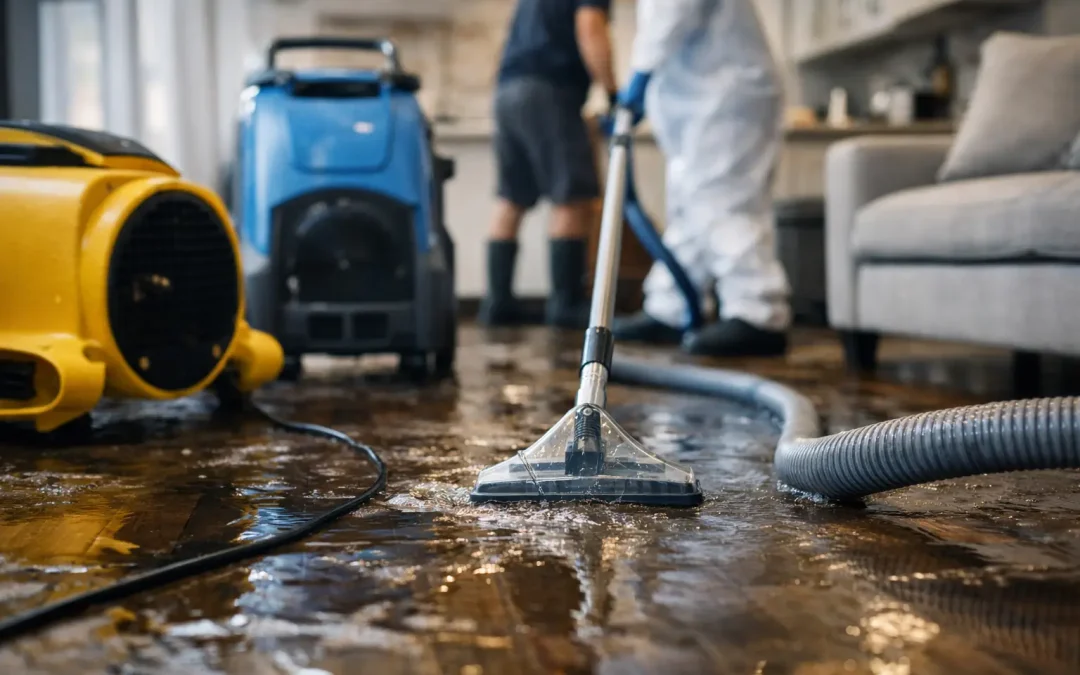
A wet carpet after a supply-line leak may look like a manageable cleanup job. But water restoration is about far more than removing visible water. In a Tampa Bay home or business, moisture can travel beneath flooring, into wall cavities, behind baseboards, and into building materials long before the surface looks dry. Acting quickly helps protect your property, reduce disruption, and limit the conditions that allow mold and odors to develop.
The right response depends on where the water came from, how long it has been present, and what materials were affected. A small, clean-water leak caught immediately may have a very different recovery path than a toilet backup, storm intrusion, or flood affecting several rooms.
Start With Safety and Stop the Water Source
Before moving furniture or pulling up carpet, make sure the area is safe to enter. If water is near outlets, appliances, electrical panels, or standing water is deep enough to conceal hazards, keep people and pets away. Turn off the water source if you can do so safely. For a burst supply line or active plumbing failure, shutting off the home’s main water valve may be necessary.
If the water came from a sewage backup, overflowing toilet, drain line, or outside flooding, avoid direct contact. This water can contain bacteria and other contaminants that require proper protective equipment, cleaning methods, and disposal procedures. Household fans and a mop are not an appropriate solution for contaminated water.
For commercial properties, safety also includes protecting employees, customers, and tenants. Block off affected areas, document the damage, and notify the appropriate building contact. A prompt, organized response can reduce downtime and help preserve flooring, furnishings, and records.
The First Hours Matter Most
Water does not stay where it lands. Carpet backing and padding can hold moisture even after the carpet surface feels dry. Water can wick up drywall, soak subflooring, and settle beneath luxury vinyl plank, laminate, or baseboards. Florida’s humidity can slow natural drying, making hidden moisture a particular concern.
If the water is clean and the area is safe, remove lightweight belongings from the affected space and place aluminum foil or plastic blocks under furniture legs to prevent staining or wood damage. Do not walk repeatedly across wet carpet, as foot traffic can push moisture deeper into the padding and spread soil through the fibers.
Take clear photos and videos before extensive cleanup begins, especially if you plan to file an insurance claim. Document the source of the water, affected rooms, damaged materials, and personal property. Then contact a qualified restoration provider as soon as possible. Fast extraction and controlled drying can often make the difference between restoring materials and replacing them.
What Professional Water Restoration Involves
Professional water restoration follows a process designed to address both visible water and the moisture you cannot see. The goal is not simply to make a room look dry. It is to return affected materials to an appropriate moisture condition while protecting indoor air quality and the structure of the property.
Inspection and moisture assessment
Certified technicians begin by identifying the source and category of water, mapping affected areas, and checking moisture levels in flooring, walls, and other materials. Moisture meters and thermal imaging tools can help locate water that has moved beyond the obvious damage.
This assessment also guides practical decisions. Carpet may be salvageable after a clean-water event if it is treated quickly, while padding often needs removal because it can retain contamination and moisture. Hardwood flooring may cup or buckle if water remains beneath it, but early drying can sometimes reduce permanent damage. The appropriate approach depends on the material, water source, and exposure time.
Water extraction and removal of damaged materials
High-powered extraction equipment removes water from carpet, padding, hard surfaces, and other affected materials. Removing water efficiently is one of the most important steps in limiting secondary damage.
Some materials cannot be safely or effectively restored. Saturated insulation, contaminated carpet padding, swollen laminate, and water-damaged drywall may need to be removed. That can feel discouraging, but selective removal can prevent a smaller water event from becoming a larger repair problem later.
Structural drying and monitoring
After extraction, professional air movers and dehumidifiers create controlled drying conditions. Equipment placement is based on the materials involved and the amount of moisture present, not simply on the size of the room. Technicians monitor moisture levels throughout the process and adjust equipment as needed.
Drying too slowly can invite mold growth and lingering odors. Drying without proper evaluation can also leave moisture trapped beneath flooring or inside walls. A property may appear normal while hidden materials remain damp, which is why verification matters.
Cleaning, sanitizing, and odor control
The water category determines the level of cleaning and sanitizing needed. Clean water from a broken pipe does not carry the same risks as gray water from appliances or black water from sewage and flooding. Restoration professionals use appropriate cleaning agents, containment practices, and protective procedures for the situation.
For affected carpets, upholstery, tile, and other surfaces, careful cleaning can remove residues left behind by water and soil. Where odor is present, the cause must be addressed rather than covered with fragrance. Odor control works best after contaminated materials, moisture, and microbial conditions have been properly handled.
Flooring Needs Special Attention
Flooring is often the first part of a property to show water damage and one of the easiest areas to underestimate. Each surface reacts differently.
Carpet can sometimes be restored when clean water is extracted promptly and the carpet is professionally dried. Once water has sat for an extended period, reached the padding and subfloor, or involved contamination, replacement may be the safer choice. Area rugs, especially wool, silk, or specialty rugs, need individual evaluation because dyes, backing, and fibers can react differently to moisture.
Tile may seem unaffected because its surface is water-resistant, but moisture can migrate through grout lines, around edges, and beneath loose tiles. Luxury vinyl plank and laminate may trap water underneath, leading to swelling, separation, or hidden odor concerns. Wood floors require particular care because excess moisture can cause cupping, crowning, warping, and finish damage.
This is where a restoration company with floor-care experience offers an advantage. Superior Tile & Carpet Care evaluates both the immediate water issue and the condition of the flooring materials that need to perform well after the emergency is over.
When to Call for Emergency Help
Call a professional water restoration provider promptly when water affects carpet or padding, reaches multiple rooms, comes from an unknown or contaminated source, enters walls or ceilings, or has been standing for more than a few hours. You should also seek help if you notice a musty odor, warped flooring, bubbling paint, damp baseboards, or water stains on ceilings.
An upstairs bathroom leak deserves attention even when the room below only has a small ceiling stain. Water can spread through insulation and framing before it becomes visible. Likewise, a slow leak under a sink or behind a refrigerator can create long-term damage without a dramatic flood.
For property managers and business owners, professional response is especially valuable when occupied spaces, tenant units, customer areas, or valuable equipment are involved. The objective is to contain the issue, document the work, dry the building correctly, and return the area to service with as little disruption as possible.
Avoid These Common Cleanup Mistakes
A few well-intentioned actions can make recovery harder. Do not use a standard household vacuum to remove water. Do not leave wet carpet in place with windows open and assume the Florida heat will dry it. Outdoor humidity can add moisture rather than remove it.
Avoid placing fans directly on contaminated water or sewage-affected materials, since this can spread contaminants. Do not paint over water stains or reinstall baseboards before the wall and floor assembly are confirmed dry. And do not delay because the water seems minor. The source, moisture path, and time elapsed matter more than the size of the visible puddle.
Protecting Your Property After the Drying Is Done
Once the affected area is dry, address the cause of the water event. Repair plumbing leaks, replace failed supply hoses, inspect roof and window seals, and make sure gutters and drainage move water away from the building. In rental and commercial properties, clear reporting procedures help tenants and staff report small leaks before they become major losses.
Keep an eye on restored areas over the following weeks. New odors, discoloration, loose flooring, or changes in wall texture can signal a remaining issue that deserves inspection. Water damage is rarely convenient, but a quick call and a careful restoration process can protect far more than a floor – it can protect the comfort, value, and everyday use of your property.