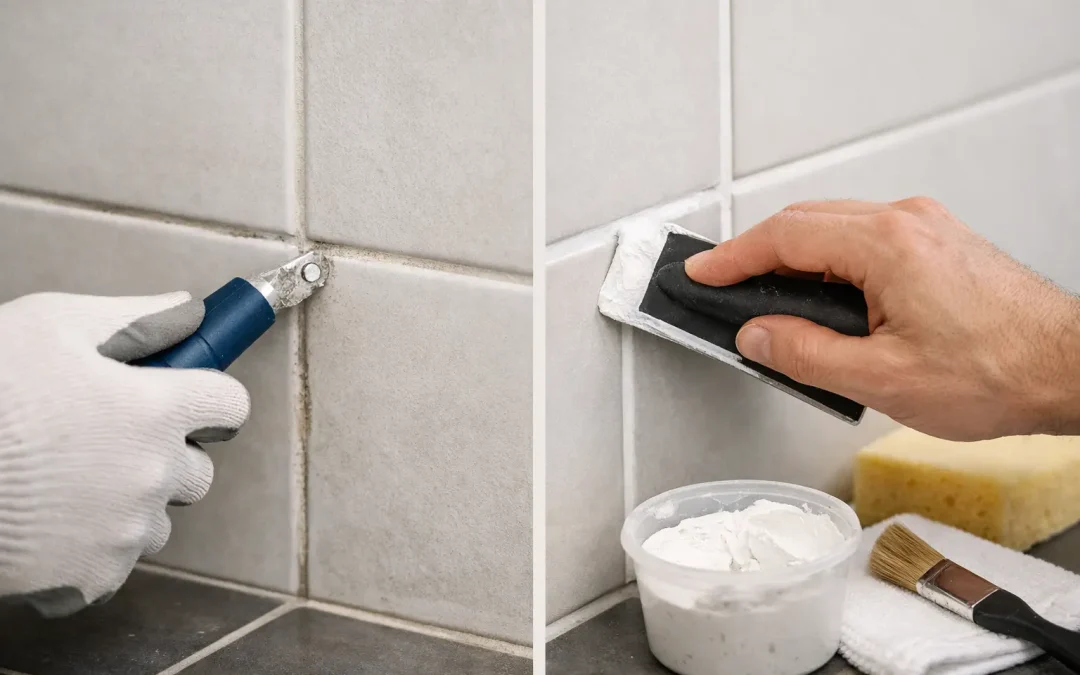
A tile floor can look worn out even when the tile itself is in good shape. The usual culprit is grout: porous, textured, and quick to collect soil, soap residue, cooking grease, and moisture. The best methods for restoring grout depend on whether the issue is surface buildup, staining, mold, cracked joints, or grout that has simply worn away. Treating the actual problem, rather than scrubbing harder with the wrong product, protects both the grout and the tile around it.
For Tampa Bay homes and commercial properties, humidity adds another layer to grout care. Bathrooms, entryways, kitchens, pool-adjacent rooms, and rental units can develop discoloration quickly when moisture and traffic work together. A good restoration plan begins with an honest look at the grout’s condition.
Start by Identifying What Changed the Grout
Not all dark grout is dirty, and not all light grout can be returned to its original color with a cleaner. Ground-in soil often leaves floor grout dark and uneven, especially along walking paths. Soap scum and body oils tend to affect shower walls and bathroom floors. Mildew may appear as scattered black, gray, or pink spots where ventilation is limited.
Then there is permanent staining. Rust, hard-water minerals, spills, hair dye, and old cleaning chemicals can change grout color below the surface. Crumbling, cracks, or missing sections point to a repair issue, not a cleaning issue. If grout feels soft, stays damp, or repeatedly stains after cleaning, moisture may be getting behind the tile. That calls for prompt professional attention before a small surface concern becomes a larger floor or shower repair.
Best Methods for Restoring Grout Safely
The right method should remove contamination without damaging the grout, etching tile, or leaving behind a residue that attracts more soil. Start with the least aggressive effective approach and increase treatment only when the grout’s condition requires it.
Deep clean with grout-safe products and agitation
For ordinary dirt and light staining, use a pH-neutral or grout-safe alkaline cleaner designed for tile and grout. Allow the product enough dwell time to loosen soil, then agitate with a nylon grout brush. Work in manageable sections and rinse thoroughly with clean water.
This approach is useful for routine maintenance and smaller areas, but it has limits. Hand scrubbing can improve the appearance of lightly soiled grout, yet it rarely removes years of embedded soil from a large kitchen, hallway, lobby, or shower. Avoid steel wool, wire brushes, and overly abrasive pads. They can roughen grout and make future staining happen faster.
Use steam or hot-water extraction for embedded soil
Professional tile and grout cleaning often uses heated cleaning solutions, controlled agitation, and high-pressure extraction. The goal is not simply to blast the grout with water. A trained technician uses equipment that loosens and removes soil while recovering the dirty water from the surface.
This method is especially effective on ceramic and porcelain tile floors with deeply soiled grout lines. It can also make a major difference in commercial restrooms, kitchens, and common areas where repeated mopping has pushed dirt into grout instead of removing it. The amount of pressure, heat, and moisture must be adjusted for the tile, grout condition, and surrounding materials.
Treat stains based on their source
A one-product-fits-all approach can cause problems. Acidic cleaners may help with mineral deposits or certain rust stains, but they can weaken cement-based grout and damage natural stone if used incorrectly. Bleach may brighten some organic staining, but it does not remove embedded grease or soil, and repeated use can leave grout dry and more vulnerable to deterioration.
For showers, mildew treatment should be followed by a check of ventilation, leaks, and caulk condition. If the moisture source remains, the discoloration will likely return. In kitchens, degreasing is often the missing step. In entryways, the problem may be tracked-in soil that needs extraction rather than a stronger chemical.
Repair failed grout before cleaning around it
Cracked, loose, or missing grout should be removed and replaced with a compatible grout product. Simply applying new grout over loose material is unlikely to hold. The joint needs to be clean, stable, and properly prepared first.
Grout repair matters for more than appearance. In showers and wet areas, open joints can allow water to travel where it does not belong. Around floor tile, missing grout may allow edges to chip or tiles to shift. If several areas are failing, or tiles sound hollow and move underfoot, a restoration professional can help determine whether the problem is isolated grout failure or a larger installation concern.
Restore color with grout colorant when cleaning is not enough
Grout colorant, sometimes called grout stain or grout renewal, can be an excellent option for grout that is sound but permanently discolored. These products recolor the grout evenly and may provide a protective surface that resists future staining.
Colorant is not a shortcut for dirty grout. The grout must first be thoroughly cleaned, dry, and free of soap residue or sealers that would prevent proper bonding. It also requires careful application, because colorant left on textured or porous tile can be difficult to remove. For a large area or a high-visibility floor, professional application often produces a more consistent finish.
Why Sealing Is Part of Grout Restoration
After grout has been cleaned or repaired, sealing can be the step that helps preserve the result. Most cement-based grout is porous, so it absorbs spills and moisture readily. A quality penetrating sealer reduces absorption without changing the tile’s appearance.
Sealer is not a permanent shield, and it does not eliminate regular cleaning. Its lifespan depends on foot traffic, moisture exposure, cleaning habits, and the type of grout. A busy restaurant entryway and a lightly used guest bathroom will not need the same maintenance schedule. Epoxy grout is less porous and often does not need the same type of sealer, so knowing what material is already installed matters.
Before sealing, make sure the grout is fully dry. Sealing damp grout can trap moisture and interfere with performance. In Florida’s humid conditions, drying may take longer than expected, particularly in showers, enclosed bathrooms, and properties with limited air circulation.
Common Grout Restoration Mistakes to Avoid
Many grout problems become worse because of well-intended cleaning habits. The most common mistake is relying on harsh acidic products or frequent bleach use without checking tile and grout compatibility. Another is using too much water and failing to dry the area, especially in showers where moisture already has trouble escaping.
Pressure washing indoor grout, using a stiff metal brush, and mixing cleaning chemicals are also risky. Chemical mixtures can create harmful fumes, while excessive abrasion can wear away grout and damage glazed tile. If a cleaner leaves a sticky or cloudy film, it can attract dirt and make the floor look dull again.
Mopping also deserves a closer look. A heavily soiled mop head can spread gray water across grout lines, leaving the floor cleaner-looking for a day but gradually darkening the joints over time. Use clean water, change it often, and choose a product that does not leave a residue.
When Professional Grout Restoration Is Worth It
Professional service is often the practical choice when grout covers a large area, staining is severe, or the property needs to remain presentable with minimal disruption. It can also be the safer route when tile is natural stone, grout is damaged, or there are signs of water intrusion.
For rental owners and property managers, restoring rather than replacing tile can improve the appearance of a unit or common area without the cost and downtime of a full remodel. For homeowners, professional cleaning and sealing can extend the useful life of a floor or shower that still has good tile beneath the grime. Certified technicians can assess the surface, use appropriate cleaning methods, and explain whether cleaning, color sealing, regrouting, or repair offers the best value.
Superior Tile & Carpet Care approaches grout work as surface preservation, using professional-grade equipment and responsible cleaning products to help Tampa Bay properties look cared for again. The best result is not simply brighter grout on cleaning day. It is a clean, stable, protected surface that is easier to maintain through the next season of daily life.