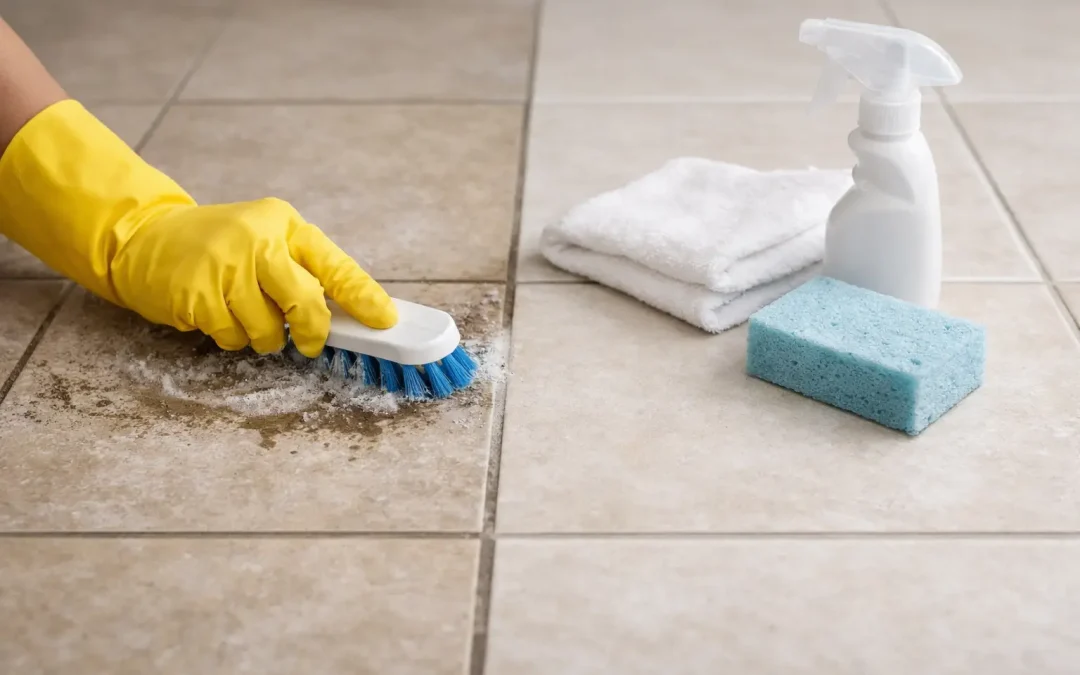
A tile floor can look freshly mopped while the grout lines still appear gray, brown, or almost black. If you have wondered, why does grout stay dirty after repeated cleaning, the answer usually is not that you are failing to clean enough. Grout holds onto soil differently than tile does, and common cleaning methods often leave the underlying problem untouched.
For Tampa Bay homes and commercial properties, humidity, sandy foot traffic, cooking residue, hard-water minerals, and everyday spills can make the issue more noticeable. The good news is that dirty-looking grout can often be restored. The first step is understanding what is actually happening below the surface.
Why Does Grout Stay Dirty After Mopping?
Grout is a cement-based material with tiny pores. Unlike glazed ceramic or porcelain tile, its surface is not naturally smooth and nonporous. Those pores absorb moisture, oils, soap residue, and microscopic dirt particles. Once contaminants settle in, a mop may clean the tile face but glide over soil that is embedded inside the grout.
Mopping can also create a frustrating cycle. Dirty water is pushed across the floor, then settles into recessed grout lines as it dries. If the mop water is not changed frequently, or if too much cleaner is used, the floor may develop a residue that attracts even more dirt. The tile can still shine, which makes the dark grout lines stand out even more.
Grout color matters, too. Light gray, beige, and white grout shows wear quickly, especially near exterior doors, kitchens, bathrooms, and high-traffic walkways. A floor that has not been professionally cleaned for years may have deeply set soil that simply will not respond to a routine household product.
The Main Reasons Grout Looks Permanently Dirty
Foot Traffic Pushes Soil Into the Pores
Florida sand, landscaping soil, pet paws, and shoes carry fine grit indoors. As people walk across the floor, that grit is pressed into the grout. Kitchens, entryways, laundry rooms, hallways, and commercial lobbies tend to show this first because the same paths receive pressure every day.
In rental properties and busy facilities, the buildup can happen faster than expected. Even a well-maintained floor may need periodic deep cleaning because everyday use continually deposits new soil in the grout lines.
Soap, Grease, and Cleaning Product Residue Build Up
Bathrooms often develop dirty grout from soap scum, body oils, shampoo residue, and moisture. In kitchens, grease vapors can settle on the floor and bond with dust. These residues act like a sticky film, helping dirt adhere to the grout instead of lifting away when you mop.
Overusing floor cleaner can have the same effect. More product does not always mean a cleaner floor. If a cleaner is not properly rinsed, it can leave a film that dulls tile and causes grout to darken again soon after cleaning.
Moisture Can Encourage Mildew and Discoloration
Not every dark grout line is dirt. In showers, around tubs, near toilets, and in damp areas, mildew can create black, greenish, or gray discoloration. Florida’s warm, humid conditions make moisture control especially important.
Mildew is more likely when ventilation is limited, caulk is failing, a shower is not dried after use, or water is entering areas where it should not. Cleaning may improve the appearance temporarily, but the discoloration can return if the moisture source remains.
Hard Water Leaves Mineral Deposits
Hard-water minerals can leave a chalky, crusty, or yellowed appearance on bathroom grout and tile. Mineral deposits may trap soap residue and make grout look uneven even after it has been scrubbed. Acidic products can sometimes damage cement-based grout or natural stone, so the right cleaning approach depends on the floor and the type of buildup.
Grout May Be Stained, Not Simply Soiled
Some discoloration is a true stain. Spilled coffee, wine, cooking oil, hair dye, rust, and cleaning chemicals can penetrate porous grout and change its color. In other cases, aging grout becomes naturally darker or more blotchy over time.
That distinction matters. Soil can often be extracted. Permanent staining may require color sealing or grout repair to create a uniform appearance again. A qualified technician can help determine whether cleaning alone is likely to deliver the result you want.
Why Scrubbing Often Does Not Solve the Problem
It is tempting to attack dirty grout with a stiff brush, bleach, or the strongest cleaner under the sink. That can work for a small, fresh spill, but it is rarely the best answer for an entire floor.
Aggressive scrubbing can wear down grout, particularly if it is already cracked, sandy, or poorly sealed. Bleach may lighten the surface temporarily, but it does not always remove the oils and soil beneath it. Some products can also leave residue, damage nearby finishes, or create fumes that are unpleasant in enclosed rooms.
Steam and store-bought grout cleaners have their place, but results depend on the tile type, grout condition, contaminants, and how thoroughly the floor is rinsed and dried. Porcelain tile is generally durable, while natural stone and some specialty finishes need more careful product selection. There is no one cleaner that is right for every surface.
What Professional Tile and Grout Cleaning Does Differently
Professional cleaning is designed to remove embedded buildup rather than just brighten the top layer. The process typically begins with evaluating the tile, grout, traffic patterns, stains, and any signs of damage. A suitable cleaning solution is applied to loosen oils, grime, and residue without using a one-size-fits-all approach.
Next, professional-grade agitation and extraction equipment lift suspended soil out of the grout lines. Instead of spreading dirty water across the floor, extraction removes it. This is why a professionally cleaned floor often looks dramatically different from one that has been repeatedly mopped.
At Superior Tile & Carpet Care, trained technicians use professional equipment and responsible cleaning products to address the condition of the surface, not just its immediate appearance. For homeowners, that can mean brighter grout and a cleaner-feeling room. For property managers and commercial facilities, it can mean a more presentable floor without replacing tile that still has years of service left.
If grout is badly stained or worn after cleaning, sealing may be the next practical step. A quality grout sealer helps limit future absorption, although it is not permanent and does not eliminate regular maintenance. Color sealing can also be an option when grout has uneven staining that cleaning cannot fully correct.
How to Keep Grout From Looking Dirty Again
After a deep cleaning, simple habits can slow down new buildup. Use entry mats at exterior doors and encourage shoes-off routines where practical. Vacuum or sweep before mopping so loose grit is removed rather than pushed into grout lines.
Use a pH-neutral cleaner recommended for your tile type, and follow the dilution directions. Change mop water often, avoid soaking the floor, and do not leave cleaner behind to air-dry. A microfiber mop can be more effective than a heavily saturated string mop for routine care.
In bathrooms, run the exhaust fan during showers and afterward, repair leaks promptly, and squeegee shower walls when possible. Wipe spills quickly in kitchens, especially oils and strongly colored foods. These small steps reduce the chance that moisture and contaminants will work their way into porous grout.
For high-traffic households, rentals, restaurants, offices, and other commercial settings, scheduled professional cleaning is often more cost-effective than waiting until grout looks beyond saving. Maintenance intervals depend on use. A lightly used guest bathroom may need little attention, while a busy entryway or commercial restroom may need cleaning much more often.
When Dirty Grout May Signal a Bigger Issue
If grout is cracking, crumbling, constantly damp, or developing recurring dark spots in the same place, cleaning may not be the only need. Water intrusion, a leaking fixture, failed caulk, loose tile, or subfloor moisture can affect both appearance and the long-term condition of the floor.
Addressing the source early protects your flooring investment and can help prevent more extensive repairs. A clean floor should not only look better – it should give you a clearer view of its actual condition.
Grout does not have to remain the part of the floor you try to hide. With the right cleaning method, realistic expectations about stains and wear, and ongoing maintenance suited to your property, those dark lines can become a clean, well-kept part of the room again.