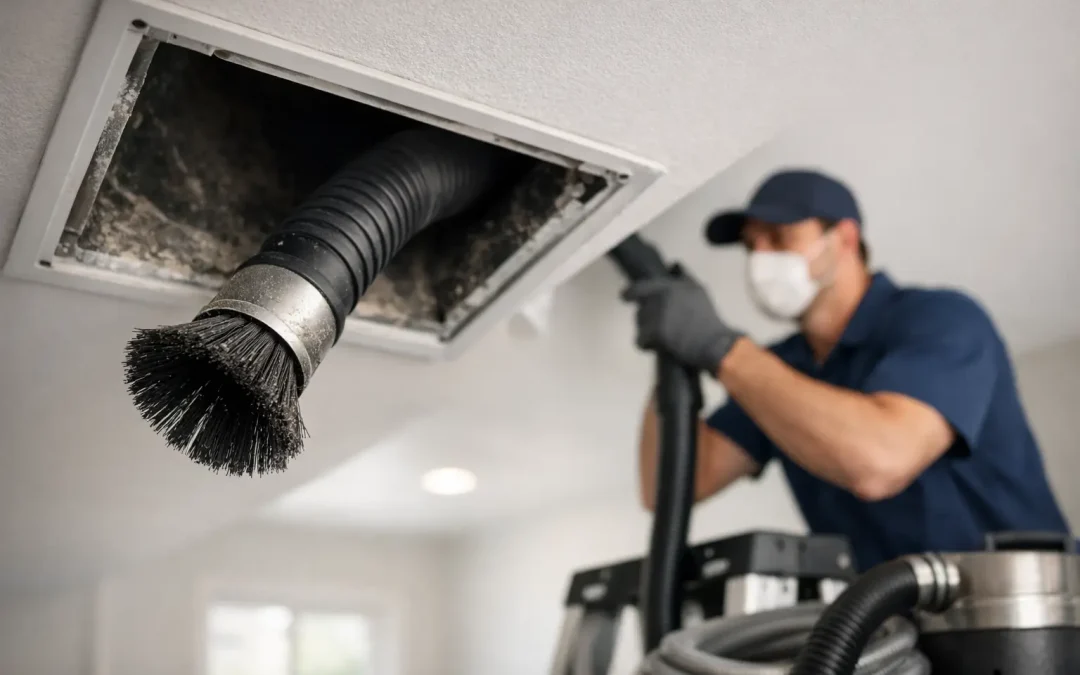
A Tampa Bay home can run its air conditioning for most of the year, which means the ductwork behind your ceilings and walls gets a steady workout. If you are wondering how often clean air ducts should be scheduled, the honest answer is not simply “every year.” Most homes benefit from professional air-duct cleaning every three to five years, but pets, remodeling dust, water damage, allergies, and heavy system use can shorten that timeline.
The right schedule is about what is happening inside your home or building, not a one-size-fits-all calendar reminder. Clean ducts support a cleaner indoor environment, help remove built-up debris from the HVAC system, and give property owners a chance to address concerns before they become more disruptive.
How Often to Clean Air Ducts in Florida Homes
For a typical well-maintained household, having air ducts professionally cleaned every three to five years is a reasonable starting point. This assumes the HVAC system has proper filtration, filters are changed regularly, no major construction has occurred, and there are no ongoing moisture or pest concerns.
Florida conditions often call for closer attention. Air conditioners run longer and more frequently here than in many parts of the country. High humidity also makes moisture management essential. Duct cleaning is not a substitute for repairing a leaking duct, clogged condensate line, or HVAC drainage issue, but it can be an appropriate part of restoring a system after the underlying cause has been corrected.
Homes with multiple shedding pets, smokers, frequent open windows, or family members sensitive to dust may benefit from an inspection or cleaning closer to every two to three years. The same can be true for rental homes between long-term tenants, especially when odors or visible dust are concerns.
Situations That Call for Duct Cleaning Sooner
A calendar is useful, but visible conditions and changes in your indoor environment matter more. You may not be able to see most of the duct system, yet several signs can indicate that it is time to have a qualified professional take a closer look.
Start with your vents and returns. Dust around supply registers is common and does not always mean the ducts are heavily contaminated. However, repeated dust buildup soon after cleaning, debris blowing from vents, or dark residue around registers deserves attention. A musty odor when the system starts, unexplained lingering odors, or a noticeable decline in air freshness can also justify an inspection.
Consider scheduling service sooner after any of the following:
- A renovation, drywall project, flooring replacement, or other work that created significant fine dust
- Water intrusion, a roof leak, flooding, or an HVAC moisture problem that affected ceilings, walls, or ductwork
- Pest activity near ducts, returns, attics, or crawlspaces
- Moving into a previously occupied home with an unknown maintenance history
- Persistent odors following a tenant turnover, pet accident, smoke exposure, or mold remediation project
These circumstances do not automatically mean every duct needs extensive cleaning. They do mean that an informed inspection can help determine the correct scope of work. For example, a small construction project may require targeted cleaning near affected returns, while a flood-related issue may need a more complete assessment of building materials, insulation, and HVAC components.
Allergy Symptoms and Dust: What Duct Cleaning Can and Cannot Do
Many homeowners call about duct cleaning because someone in the household has allergies, asthma, or frequent respiratory irritation. A clean HVAC system can reduce the circulation of accumulated dust and debris, but duct cleaning should not be presented as a cure for medical conditions or every indoor-air concern.
Indoor comfort depends on several factors: filter quality, filter-change habits, humidity levels, pet dander, carpets and upholstery, outdoor pollen, ventilation, and whether the HVAC system is properly sized and maintained. In Tampa Bay, humidity control is especially significant. When indoor humidity stays elevated, musty odors and moisture-related concerns can become more noticeable throughout a home.
A practical approach is to look at the full picture. Change filters on schedule, keep return vents unobstructed, address leaks quickly, and arrange professional cleaning when the duct system has a clear buildup issue or has been affected by a specific event. If you see suspected mold growth, the moisture source must be identified and corrected. Cleaning without fixing the cause can allow the problem to return.
What Professional Air-Duct Cleaning Should Include
Quality air-duct cleaning is more than vacuuming around visible vent covers. A professional service should begin with an evaluation of the accessible duct system, registers, returns, and conditions that may be contributing to debris or odors.
Depending on the system and condition of the property, the work generally involves removing loose dust and debris from supply and return ducts using professional equipment designed for the task. Technicians may clean registers, grilles, accessible vent components, and other system areas included in the agreed scope. The process should be explained clearly before work begins, particularly when a property has flex duct, older materials, limited access, or signs of moisture damage.
Be cautious about unusually low advertised prices that do not explain what is included. A proper cleaning takes time, equipment, and a careful approach to the home or commercial space. The goal is not to create a dramatic sales pitch around normal household dust. It is to provide an honest assessment, remove meaningful buildup where appropriate, and protect the system and surrounding property during service.
At Superior Tile & Carpet Care, trained technicians approach air-duct cleaning the same way we approach floor and fabric care: with clear expectations, professional-grade equipment, and respect for the property. For homeowners and facility managers, that means knowing what service is being performed and why it fits the condition of the space.
A Different Schedule for Rental and Commercial Properties
Rental-property owners often benefit from evaluating ducts between tenants rather than waiting for a fixed multi-year interval. If a departing tenant smoked indoors, kept pets, reported odors, or left heavy dust and debris behind, duct cleaning may help prepare the property for the next resident. It can be coordinated with carpet, tile and grout, upholstery, or dryer-vent cleaning so the property is ready for turnover.
Commercial schedules depend on occupancy, business type, and operating hours. Offices with standard use may follow a three- to five-year cleaning cycle, supplemented by regular filter changes and HVAC maintenance. Child care settings, medical-adjacent spaces, pet-related businesses, high-traffic retail locations, and facilities with renovation activity may need more frequent evaluations.
For property managers, documentation matters. Keeping service records helps establish a practical maintenance history, simplifies turnover planning, and supports conversations with owners and tenants when indoor cleanliness questions arise.
How to Keep Ducts Cleaner Between Appointments
Duct cleaning is periodic maintenance, not something you should need every few months. The best way to extend the interval is to reduce what enters and circulates through the HVAC system.
Use the filter type recommended for your equipment and replace it according to the manufacturer’s guidance or sooner when it is visibly loaded. A more restrictive filter is not always better if the system is not designed for it, so ask an HVAC professional if you are unsure. Keep supply and return vents clear of furniture, rugs, and stored items so airflow is not restricted.
During remodeling, seal off work areas where possible and avoid running the HVAC system while sanding or generating heavy dust unless necessary. After the project, replace the filter and consider whether an inspection is warranted. If you notice water staining near vents, condensation concerns, or a new musty smell, address it promptly rather than waiting for the next scheduled cleaning.
Dryer-vent cleaning is also worth keeping separate from air-duct cleaning. Dryer vents carry lint and require regular attention for performance and fire-safety reasons. Cleaning one does not clean the other, but scheduling both services together can be convenient for homeowners and property managers.
Choosing the Right Time to Schedule Service
The best time to clean air ducts is before buildup, odors, or post-construction dust become a larger concern. For many Tampa Bay properties, that means planning service every few years and moving sooner when a renovation, water event, tenant turnover, or persistent air-quality concern changes the equation.
If you are unsure whether your ducts need cleaning now, start with an inspection and an honest conversation about what you are seeing and smelling in the property. A dependable service provider should help you make a practical decision, not pressure you into work your system does not need.