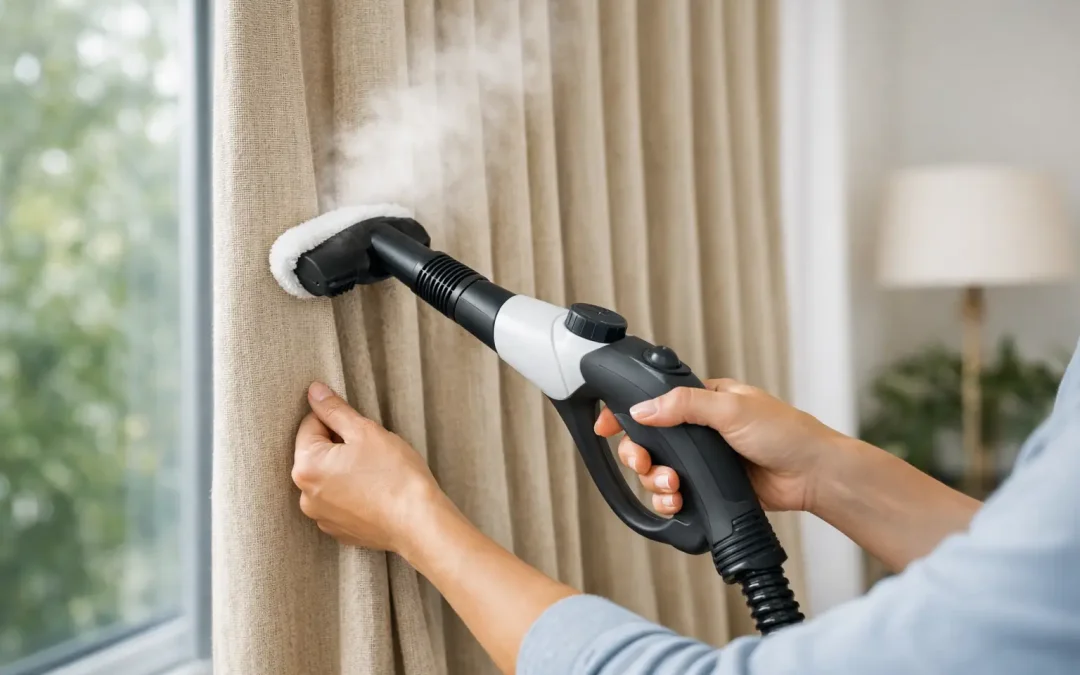
Dusty drapes can quietly change the feel of an otherwise clean room. They hold airborne dust, pollen, pet dander, cooking residue, and odors near windows, where sunlight makes discoloration and dull fabric more noticeable. Drapery cleaning without taking down offers a practical way to refresh many window treatments while avoiding the inconvenience, wrinkles, and potential rehanging problems that can come with removing them.
For Tampa Bay homes and commercial spaces, this service can be especially useful. Humidity, open windows, seasonal pollen, and everyday indoor activity can leave draperies looking tired well before the rest of the room appears dirty. The right in-place cleaning method can improve appearance and indoor freshness without disrupting the room.
How Drapery Cleaning Without Taking Down Works
In-place drapery cleaning is not simply spraying fabric with a cleaner. A professional approach begins with identifying the fabric type, construction, lining, trim, stains, and any signs of sun damage. Draperies may be made from cotton, linen, silk, velvet, polyester blends, rayon, or delicate decorative fabrics. Each responds differently to moisture, heat, and cleaning solutions.
After inspection, the technician removes loose surface soil with controlled vacuuming or dry soil extraction. This matters because dust and grit can work deeper into fibers when moisture is applied first. The fabric may then receive a low-moisture cleaning treatment or another method suited to its condition and care requirements.
The goal is to clean the fabric while it remains supported by its hardware. This helps preserve the drape, pleats, and original hanging shape. Proper airflow and careful moisture control are essential so the fabric can dry evenly and without a lingering damp odor.
Why In-Place Cleaning Is Often the Better Option
Taking down full-length drapes is not always a simple household task. Heavy panels can be difficult to remove, and specialty hardware, tall windows, layered treatments, and decorative valances add time and risk. Once removed, some draperies can shrink, lose their shape, crease heavily, or become difficult to reinstall correctly.
Cleaning them in place can reduce those concerns. It is often a good fit for lined draperies, oversized panels, fixed decorative treatments, and curtains in offices, rental properties, lobbies, and other spaces where downtime needs to stay limited. Property managers may also appreciate that rooms can remain furnished and functional during service.
There is a trade-off: in-place cleaning is a maintenance and appearance-restoration service, not a cure for every fabric problem. Severe staining, water damage, brittle fabric, heavy smoke residue, or deep discoloration may require a different approach. In some cases, removal and specialty dry cleaning are safer. A qualified technician should explain that before starting work rather than promising results the fabric cannot support.
What In-Place Drapery Cleaning Can Improve
Most draperies do not need to look visibly stained to benefit from professional care. Soil builds gradually, especially along hems, folds, leading edges, and areas touched by hands or pets. Cleaning can refresh the overall color, reduce dust and allergens, and improve the fabric’s feel and appearance.
It can also help address light odors caused by pets, cooking, tobacco, or a closed-up room. Odor results depend on the source. If odor has penetrated padding, nearby upholstery, carpet, HVAC components, or the wall behind the drapes, treating the draperies alone may not fully resolve it. A complete recommendation should look at the room as a whole.
For commercial properties, well-maintained draperies support a cleaner first impression in reception areas, hospitality spaces, professional offices, and model units. Fresh-looking window treatments can make a room feel cared for without the expense of replacing fabric that still has useful life.
When Draperies Need Extra Caution
Some fabrics require more than a standard cleaning plan. Silk, rayon, velvet, antique fabric, hand-painted panels, blackout linings, and drapes with glued embellishments can be sensitive to moisture and agitation. Sun exposure can also weaken fibers near windows, even when the fabric still looks intact from a distance.
A simple test can reveal concerns. If a fabric feels brittle, tears easily at a hem, has faded unevenly, or shows brown water marks, cleaning may carry a higher risk. That does not automatically mean it cannot be cleaned, but it does mean expectations need to be realistic. Sometimes preserving a fragile drapery is more important than pursuing aggressive stain removal.
Water-related damage is another exception. After a roof leak, flood, plumbing issue, or storm intrusion, draperies may need to be assessed along with the surrounding wall, flooring, and furnishings. Prompt professional attention helps identify moisture concerns before odors, staining, or microbial growth become a larger restoration issue.
Preparing a Room for Service
Homeowners can make in-place cleaning easier by clearing fragile items from window sills, nearby tables, and the floor beneath the drapes. Moving furniture a short distance from the window, when possible, provides safer access to the full length of the panels. There is no need to remove the draperies or detach hardware unless the technician specifically recommends it.
Before the appointment, point out stains, pet activity, odors, sun-faded areas, and any prior cleaning attempts. This information helps the technician choose the right method and explain what can reasonably improve. If there are multiple layers, such as sheers behind heavier decorative panels, mention that as well.
For businesses and managed properties, scheduling can be arranged around tenant needs, guest traffic, or normal operating hours. In-place service is designed to limit disruption, but access and drying time should still be considered when planning the work.
Why Store-Bought Sprays Can Create Problems
A quick spray treatment may seem convenient, but many consumer fabric products leave residue, create water rings, or cause color bleeding. Over-wetting is a common issue. Moisture can reach linings, backing materials, wood trim, or nearby walls, making a small cleaning project more complicated than expected.
Steam should also be used carefully. Excessive heat can damage certain synthetic fibers, affect bonded materials, or alter the texture of delicate fabrics. Even a product labeled safe for upholstery may not be safe for every drapery, particularly if the care label recommends dry cleaning only.
Light upkeep between professional visits is safer. Use a vacuum with a soft brush attachment on low suction, working from the top down without pulling the fabric. Avoid rubbing spots aggressively. For a fresh room, regular HVAC filter changes and routine cleaning of nearby upholstery and carpet can also reduce the dust that settles into window treatments.
Choosing Professional Drapery Care in Tampa Bay
The best provider will treat drapery cleaning as fabric care, not a one-size-fits-all add-on. Ask whether the technician will inspect the material, test for colorfastness when appropriate, use controlled moisture, and identify any pre-existing fading or fabric weakness. Licensed and insured service, trained technicians, and cleaning products selected with household safety in mind all provide added confidence.
At Superior Tile & Carpet Care, drapery service is approached with the same care used for fine fabrics, upholstery, carpet, and other valuable surfaces in a home or business. The focus is on practical results, responsible methods, and clear communication about the condition of the fabric before cleaning begins.
Draperies frame the view, soften sound, and influence how clean a room feels. When they start collecting dust and dulling the space, professional in-place cleaning can be a sensible way to protect the fabric you already own while helping the room feel fresh again.