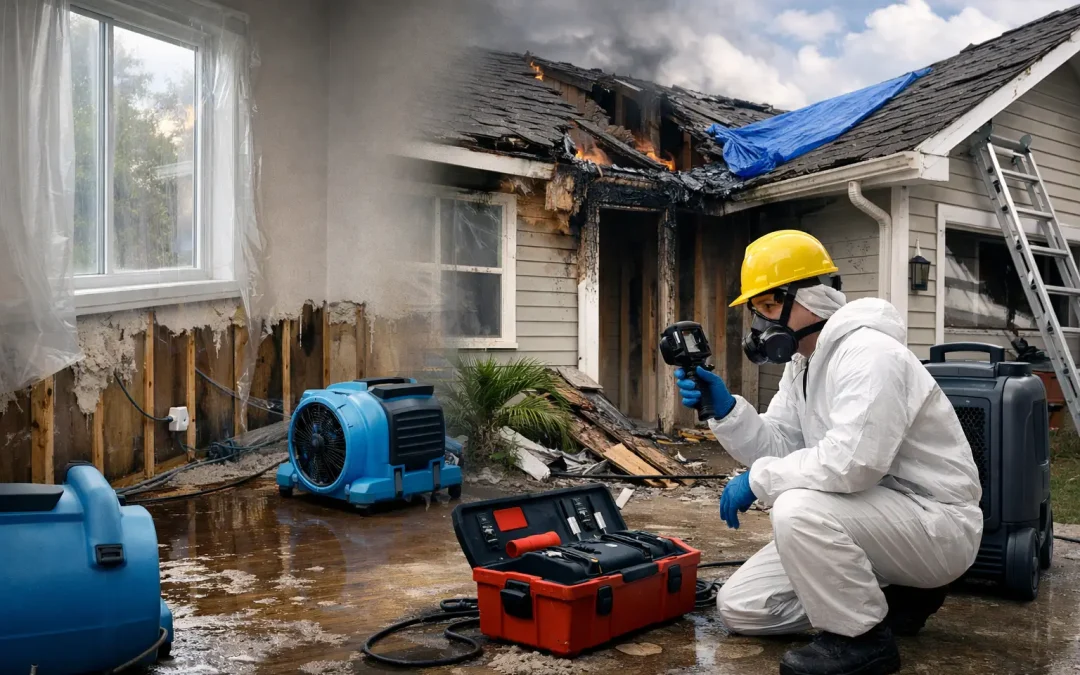
A burst supply line at 2 a.m., water entering under a patio door during a storm, or an overflowing appliance can turn a normal property into a time-sensitive cleanup site. An emergency restoration review is the first clear look at what happened, how far moisture traveled, what can be saved, and what must happen next to protect the building and the people inside it.
For Tampa Bay homeowners, landlords, and facility managers, the biggest mistake is often waiting for visible water to disappear before taking action. Florida heat and humidity can make hidden moisture, odor, and microbial growth concerns more likely. A professional review helps replace uncertainty with a practical restoration plan.
What an Emergency Restoration Review Covers
Restoration is more than extracting standing water. The review begins with identifying the source and stopping additional damage when possible. If a plumbing line is still leaking, an appliance continues to overflow, or stormwater can still enter the property, drying equipment alone will not solve the problem.
Technicians then inspect the affected area and nearby materials. Water does not always remain where it first appears. It can move beneath luxury vinyl plank flooring, wick up drywall, settle into carpet padding, soak baseboards, or travel through a ceiling from an upstairs bathroom leak. The goal is to locate both obvious and concealed moisture before it causes further deterioration.
A thorough assessment typically considers the water source, the amount of time materials were wet, the condition of floors and walls, and the impact on contents such as rugs, furniture, draperies, and personal belongings. Moisture readings and professional drying equipment help guide decisions based on conditions inside the property, not just on what looks dry at the surface.
The Water Source Changes the Plan
Not all water damage carries the same cleanup requirements. Clean water from a recently broken supply line may allow more materials to be dried and restored if addressed quickly. Water from a washing machine, dishwasher, or toilet without sewage may contain contaminants that require added care. Floodwater, sewage backups, and water from an unknown or visibly contaminated source require more controlled removal, cleaning, and disposal procedures.
This distinction matters because the safest solution is not always the least disruptive one. In some cases, drying and cleaning can preserve carpet, flooring, or drywall. In others, removing contaminated or structurally compromised materials is the responsible decision. A dependable restoration provider should explain that difference plainly rather than promising to save every surface regardless of conditions.
Why Fast Action Protects Flooring and Interiors
Water can affect each material differently. Carpet may hold moisture in its backing and pad even after the fibers feel dry. Wood can swell, cup, or separate at seams. Tile itself may tolerate water, but moisture can remain under damaged grout, at perimeter edges, or in the subfloor beneath it. Luxury vinyl plank can trap water below the installation, especially when moisture enters through seams or around walls.
The first hours are especially valuable. Prompt extraction reduces the amount of water available to spread through absorbent materials. Air movement, dehumidification, and targeted drying can then bring moisture levels down in a controlled way. This process also helps limit odors and reduces the chance that a small incident becomes a larger flooring repair project.
That said, speed should not mean rushing past the inspection. Setting fans in a room without checking behind baseboards, beneath flooring, or inside an adjacent closet can leave damp materials behind. Effective restoration balances urgent response with careful measurement and documentation.
What Property Owners Should Do Before Help Arrives
If it is safe to do so, shut off the water source or the building’s main water supply. Move lightweight furniture, rugs, electronics, and valuables away from the affected area. Avoid walking through water near electrical outlets, appliances, or power cords, and do not use a household vacuum to remove standing water.
Take a few photos or videos for your records before moving items, especially if an insurance claim may be involved. Keep receipts for emergency expenses and make a note of when the loss was discovered. These details can be useful when communicating with an insurer or property owner.
Do not pull up flooring, remove drywall, or apply harsh cleaning chemicals unless a qualified professional directs you to do so. Premature demolition can make it harder to determine the scope of damage, while strong chemicals may create fumes or damage fabrics and finishes. For contaminated water or sewage, keep people and pets away from the area until it can be evaluated and cleaned properly.
Emergency Restoration Review Questions to Ask
During an emergency restoration review, clear communication should be part of the service. Property owners deserve to know what the team found, what equipment is needed, and what the next several days may look like.
Ask whether the water source has been categorized, which materials appear affected, and whether any flooring or wall materials may need removal. It is also reasonable to ask how moisture will be monitored, how often the site will be checked, and what steps will be taken to protect unaffected rooms.
For rental properties and commercial spaces, ask about access needs, occupant safety, and ways to limit interruption. A retail space may need containment that keeps customers away from a wet area, while an apartment owner may need written documentation for residents and insurance records. The right plan depends on the building, the source of the water, and the materials involved.
A professional should also be candid about timing. Drying is not finished because a room feels comfortable or because equipment has run overnight. Some losses resolve quickly; others require several days of monitored drying, cleaning, repair, or content care. Honest expectations are a sign of careful restoration work.
Restoration, Cleaning, and Repair Are Different Steps
Emergency restoration often overlaps with cleaning, but the services are not identical. Extraction and structural drying address the immediate moisture problem. Cleaning addresses soil, residues, odor, and surface condition after the area is safe to treat. Repair or replacement addresses materials that cannot return to a sound condition.
For example, a wet area rug may be recoverable with timely specialty cleaning and controlled drying, while a soaked carpet pad may need to be removed. Tile and grout may benefit from detailed cleaning after the subfloor and perimeter areas are confirmed dry. Upholstered furniture may be cleanable if the contamination level and material allow it, but some items may be better documented and removed.
This is why a provider with both cleaning and restoration experience can be valuable. The question is not simply whether an item is wet. It is whether it can be cleaned, dried, and returned to safe, usable condition without creating a future problem.
Choosing a Local Restoration Team
When an urgent loss occurs, availability matters, but so do qualifications and accountability. Look for a licensed and insured local company with trained technicians, professional extraction and drying equipment, and a process for documenting moisture and work performed. Ask how the company handles contaminated water, protects your property during the job, and communicates with you as conditions change.
Green cleaning products can also matter after the emergency phase, particularly in homes with children, pets, or residents sensitive to strong chemical odors. Still, safe restoration should always be based on the type of loss and the surfaces involved. The appropriate product and procedure depend on the situation, not on a one-size-fits-all promise.
Superior Tile & Carpet Care approaches water and flood damage with the same property-preservation focus used for flooring, fabric, and specialty surface care. That local perspective matters when a Tampa Bay property needs a responsive team that can assess the damage, stabilize conditions, and help protect the finishes owners have invested in.
After the Equipment Is Removed
The final stage should not feel like a mystery. Once affected materials reach acceptable drying conditions, the property may need detail cleaning, odor treatment, carpet or tile care, floor repair, or replacement work for materials that could not be saved. Keep copies of inspection notes, moisture documentation, photos, and invoices in a single file for your records.
Before returning a room to normal use, look for lingering odors, staining, loose flooring, warped trim, or changes in how doors and cabinets operate. Report concerns promptly. A thoughtful restoration process does not end when the last fan leaves – it gives you a clearer path back to a clean, safe, functional property.
When water enters a building, the best next step is usually the one that prevents hidden damage from becoming tomorrow’s costly repair.